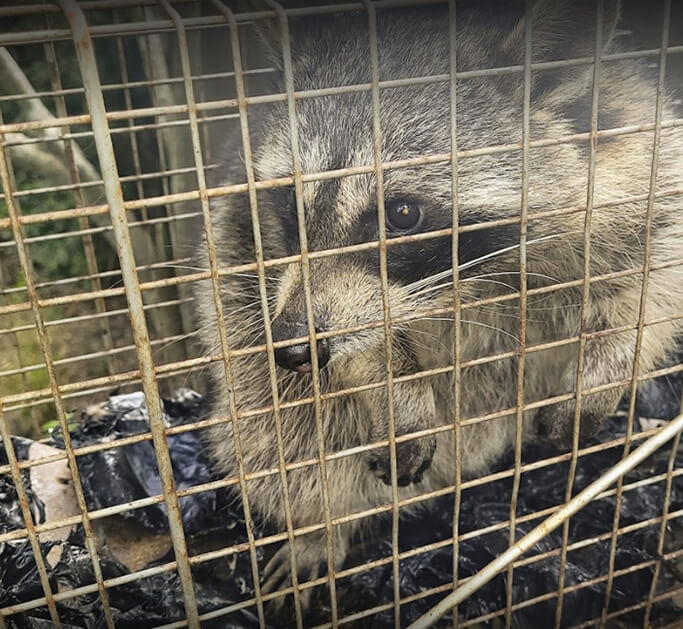
RACCOON REMOVAL
OVERVIEW
Intelligent climbers that often invade attics, chimneys, and crawl spaces.
ABOUT
Raccoons are nocturnal animals known for their agility and problem-solving abilities. They can cause damage to homes, tear up insulation, contaminate food, and spread disease.
Diseases & Health Concerns:
Rabies
Common carrier of rabies.
Baylisascaris (Roundworm)
Found in raccoon feces; can cause serious neurological disease.
Leptospirosis
Bacteria in urine that can cause flu-like symptoms and kidney/liver issues.
Salmonella
Can be spread through feces and contaminated surfaces.
SAFETY INFORMATION
Raccoons can be aggressive if cornered. Avoid contact and do not feed wildlife. Secure trash and eliminate food sources.
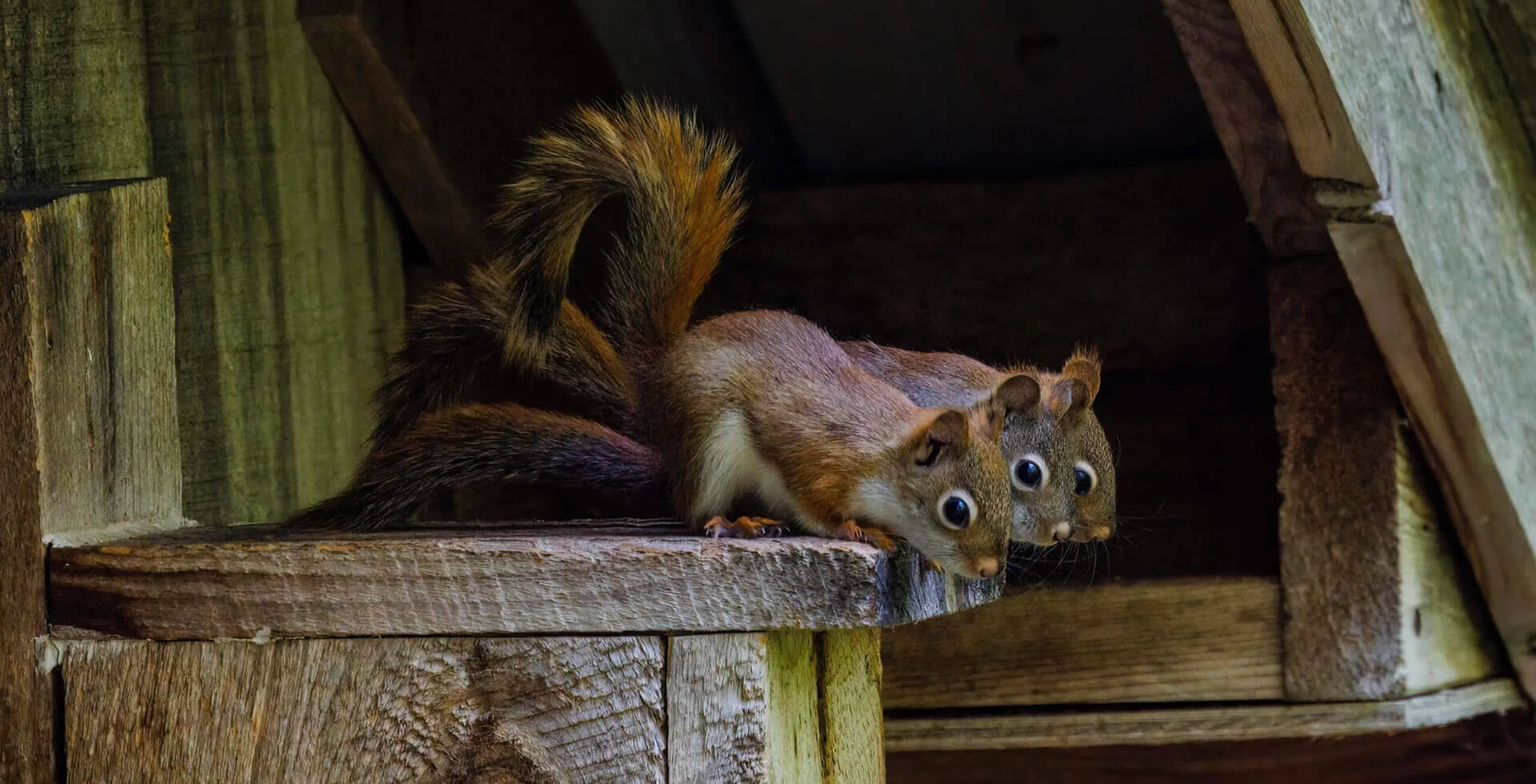
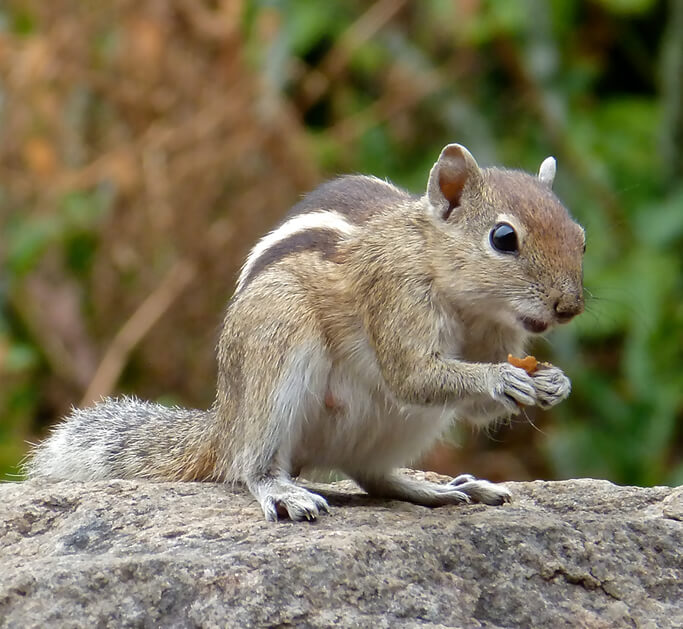
SQUIRREL REMOVAL
OVERVIEW
Active during the day and commonly enter attics to nest.
ABOUT
Squirrels are active rodents that chew on wires, insulation, and wood. They can cause structural damage and create fire hazards.
Diseases & Health Concerns:
Salmonella
Found in droppings; can cause stomach illness, fever, and dehydration.
Leptospirosis
Bacteria in urine that can affect kidneys, liver, and lungs.
Tularemia
Bacterial infection that can cause fever, chills, and swollen lymph nodes.
Fleas & Ticks
Squirrels can carry parasites that may bite humans or pets.
SAFETY INFORMATION
Squirrels may bite or scratch if threatened. Wear gloves and avoid contact with nests, droppings, and urine.
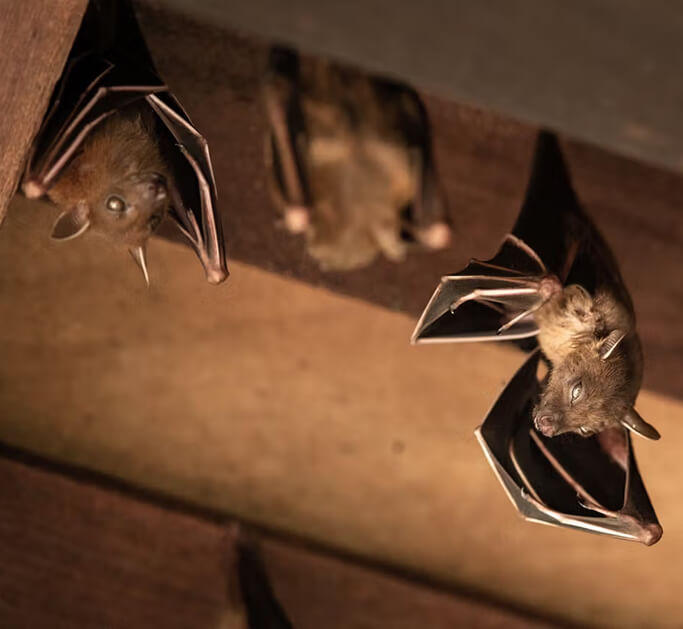
BAT REMOVAL
OVERVIEW
Nocturnal and roost in attics, walls, and other hidden areas.
ABOUT
Bats play an important role in the ecosystem by eating insects. However, when they roost in homes, their droppings can be hazardous.
Diseases & Health Concerns:
Rabies
Bats are a primary carrier of rabies in the U.S.
Histoplasmosis
Fungus found in bat droppings that can cause lung infections.
Bat Bugs
Can bite humans, causing itchy welts and allergic reactions.
Guano Hazards
Accumulated droppings can create serious respiratory risks.
SAFETY INFORMATION
Never handle a bat. If you find a bat in your home, keep people and pets away and contact a professional.
SNAKE REMOVAL
OVERVIEW
Helps control rodent populations but can be dangerous when threatened.
ABOUT
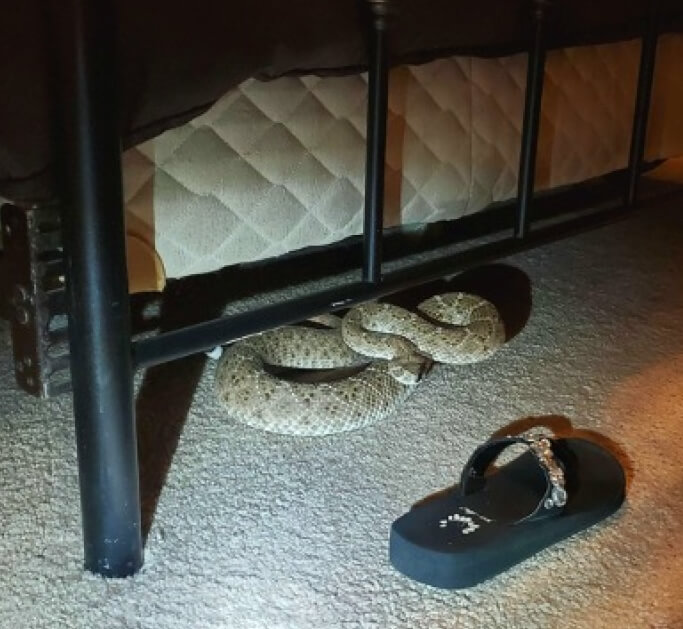
Snakes prefer to avoid humans but may enter homes or yards searching for food or shelter.
Diseases & Health Concerns:
Salmonella
Can be carried in a snake’s feces.
Snake Bites
Venomous snakes can cause serious injury or death.
Parasites
Snakes can carry mites, ticks, and internal parasites.
SAFETY INFORMATION
Keep a safe distance from all snakes. Do not attempt to handle or capture a snake. Contact a professional for safe removal.
SKUNK REMOVAL
OVERVIEW
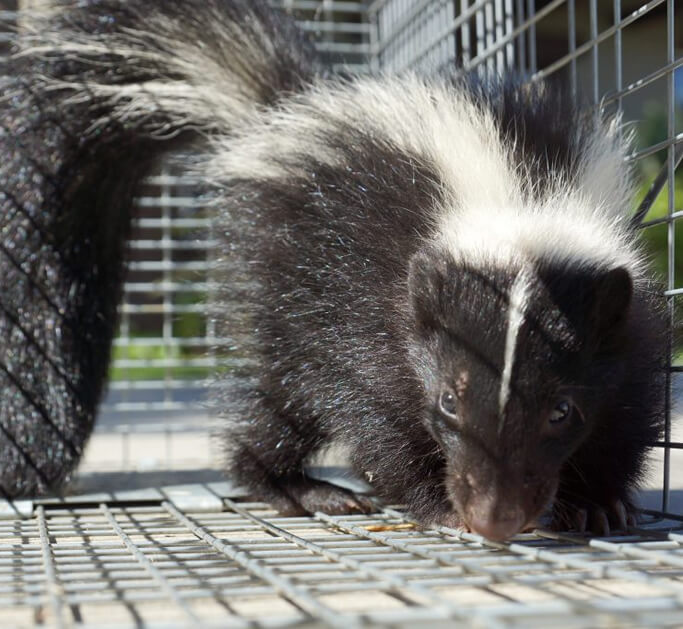
Nocturnal animal known for its strong spray when threatened.
ABOUT
Skunks often live under decks, sheds, and porches. They can spray a strong-smelling liquid when they feel threatened.
Diseases & Health Concerns:
Rabies
Skunks are a major carrier of rabies.
Leptospirosis
Bacteria in urine that can cause fever, chills, and muscle aches.
Roundworms
Can be transmitted through feces and cause serious illness.
SAFETY INFORMATION
Skunks can spray up to 10–15 feet. Do not corner or approach them. Contact a professional for safe removal.
BIRD REMOVAL
OVERVIEW
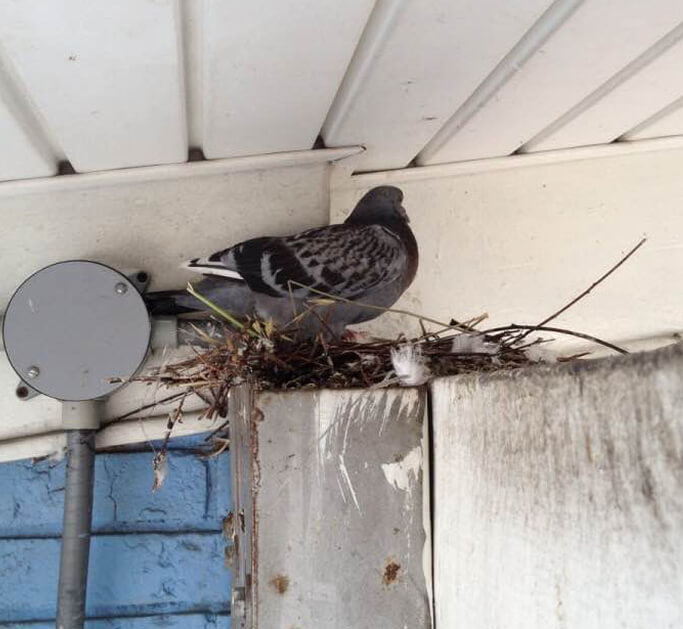
Birds nest on roofs, ledges, and in vents.
ABOUT
Birds can cause property damage with nests and droppings. They can also spread disease through their waste and parasites.
Diseases & Health Concerns:
Histoplasmosis
Fungus in droppings that can cause lung infections.
Cryptococcosis
Fungal infection that can lead to respiratory illness.
Salmonella
Can be spread through droppings.
SAFETY INFORMATION
Avoid contact with bird droppings and nests. Wear protection and let a professional handle removal and cleanup.
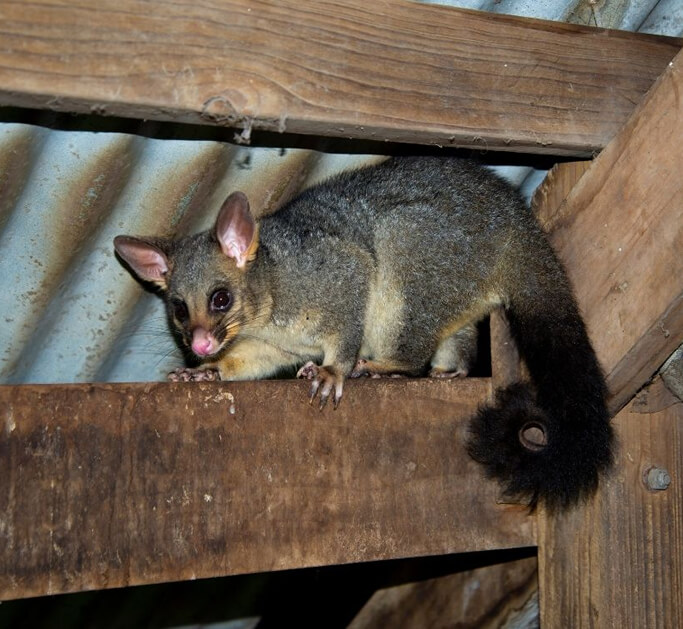
OPOSSUM REMOVAL
OVERVIEW
Usually non-aggressive and often get into trash or crawl spaces.
ABOUT
Opossums are scavengers that help control pests, but they can carry diseases and cause messes when they take up residence..
Diseases & Health Concerns:
Leptospirosis
Bacteria in urine that can affect kidneys and liver.
Tuberculosis
Opossums can carry TB bacteria
Parasites
Can carry fleas, ticks, and lice.
SAFETY INFORMATION
Opossums may hiss, growl, or play dead when threatened and can bite if handled. Contact a professional for safe removal.